


Kingon P2-TOC Transportable Portable Oxygen Concentrator P2TOC
The Kingon P2-TOC is a high-performance 3 Litre portable oxygen concentrator designed for both pulse dose and continuous oxygen therapy at home or on-the-go. Featuring game-changing advanced variable-speed drive (VSD) technology, the unit intelligently adjusts compressor speed to match oxygen demand, saving energy and reducing noise compared to traditional fixed-speed compressor models. Its quiet operation, energy efficiency, and portability make the P2-TOC a comfortable and reliable choice for long-term use.


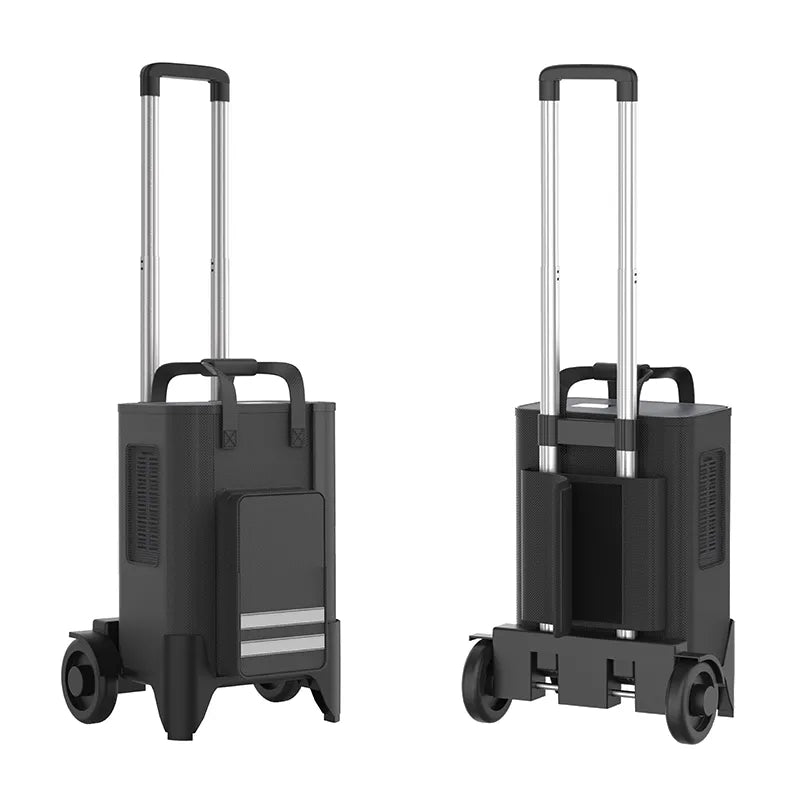
Product Overview

Disclaimer
Oxygen must only be administered in line with the prescription and advice from a qualified medical professional. We encourage you to discuss your device options and device suitability with your prescribing medical practitioner prior to purchase to ensure this device suits your oxygen requirements.
Some devices produce oxygen in a pulse dose which means you receive oxygen when you breathe in. If you purchase a pulse dose device, it will need to be tested by your medical practitioner to make sure the device is appropriate for your therapy and seek advice on the setting to use.
General Notes About Pulse Dose Concentrators
- Pulse dose concentrators are not recommended if you are unable to use a nasal cannula.
- Pulse dose devices are not recommended for sleeping as they may not sense shallow breathing.
- It is important to consult with your healthcare provider to determine the appropriate setting for using the pulse dose model. Keep in mind that the display setting does not necessarily correspond directly to the flow rate, e.g. setting 2 does not equal exactly 2L/min. The user's oxygen levels should be measured using an oximeter while adjusting for various levels of physical activity, ensuring proper therapy settings.
FAQs About Transportable Oxygen Concentrators
What is a transportable oxygen concentrator?
A transportable oxygen concentrator is designed for people who need more oxygen support than a wearable portable device can provide, but who don’t want a unit permanently fixed in one place.
It’s typically used as a primary home oxygen system that can still be moved or transported when required.
Who is a transportable oxygen concentrator best suited for?
Transportable units are often considered when:
- A portable device no longer meets daily oxygen needs
- Oxygen is used for extended periods during the day
- A stable, plug-in solution is preferred over batteries alone
Flexibility around the home is important, even if outings mean transporting a larger device.A healthcare professional will confirm whether this type of device aligns with your prescribed therapy.
Do transportable oxygen concentrators provide continuous flow?
Yes. Transportable concentrators are designed to be relocated as needed, such as moving between rooms or taking the device in a car.
They are larger than portable units and are not designed to be worn, but they offer far more flexibility than stationary systems.
How do I know if I need a transportable or stationary oxygen concentrator?
This usually comes down to how much oxygen you use and how flexible you need your setup to be.
If you need higher flow rates but still want to move the device occasionally, a transportable unit may be suitable.
If your oxygen use is continuous and location-fixed, a stationary system may be more appropriate.
If you’re unsure, Kingon can help you understand the differences before you speak with your supplier or clinician.
Why is my machine loud when I turn it on?
The P2-TOC has a warm-up period and reaches its set flowrate and oxygen concentration after about 5 minutes. Noise can be more noticeable during start-up and stabilisation.
Can the device be used indoors, outdoors, or in a vehicle?
Yes.
It is intended for use in home healthcare environments, including indoors, outdoors, and in vehicles.
Can the device be run while charging the battery?
Yes, the device can operate while charging the battery.
How long does it take to charge the device?
- Approximately 5 hours when placed in the concentrator.
- Approximately 2.5 hours when using an external battery charger.
Trusted by Leading Healthcare Partners


Impressive Battery Duration

Parts Diagram

Panel Diagram

Still Comparing Portable Oxygen Concentrators?
Testimonials


